The Interop Project Explained

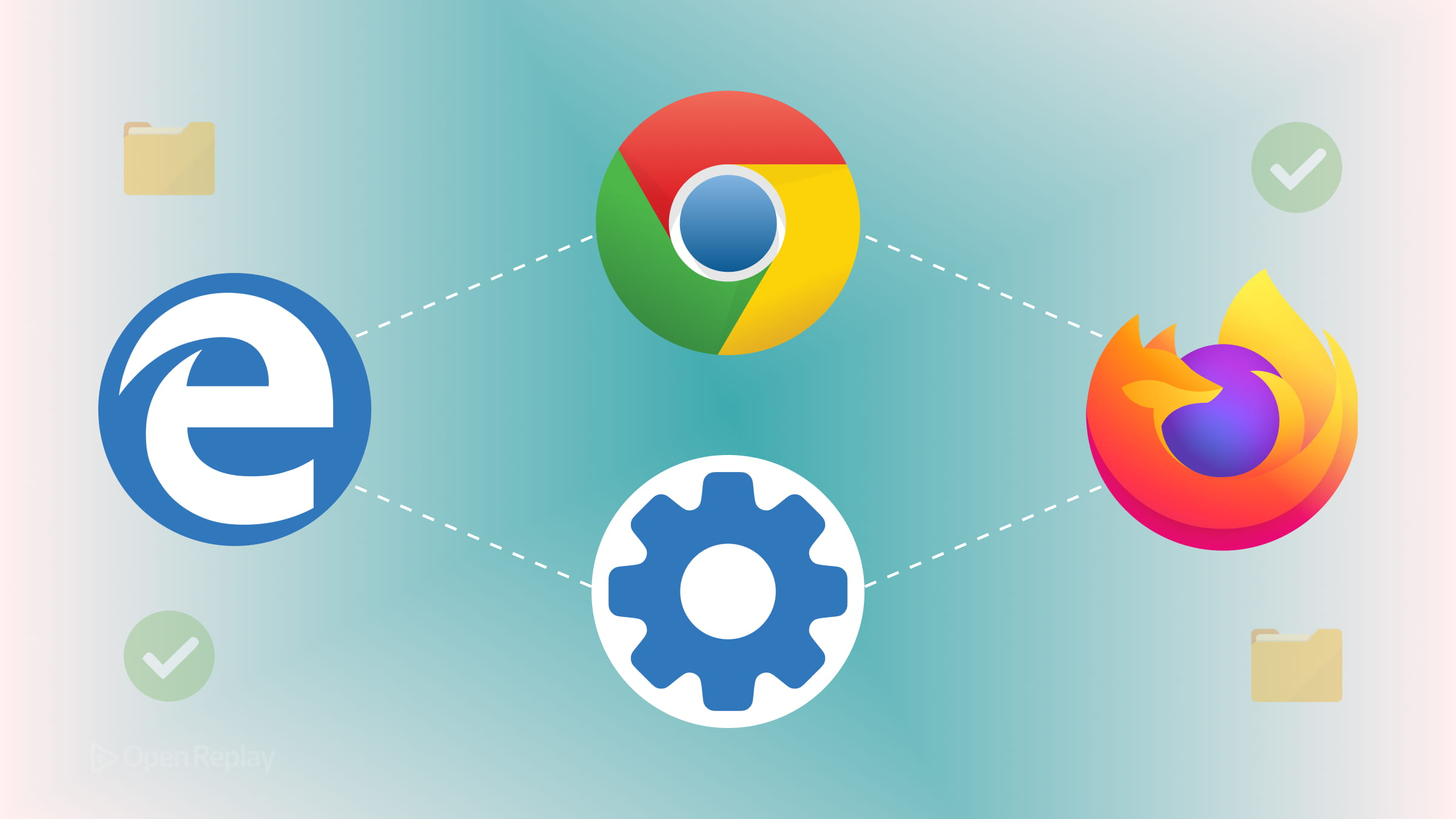
If you’ve ever written CSS that worked perfectly in Chrome but broke in Safari, or tested a JavaScript API that Firefox simply didn’t support yet, you’ve experienced the problem the Interop Project exists to solve.
This article explains what the Interop Project is, how it works, and why it matters for your day-to-day frontend work.
Key Takeaways
- The Interop Project is a yearly, coordinated effort between major browser vendors to fix inconsistent implementations of existing web standards.
- Progress is measured through the Web Platform Tests suite, with focus areas routinely climbing from under 50% to over 95% cross-browser compatibility within a single year.
- Features that land in an Interop cycle become safe to use natively across all major browsers faster than they would through independent vendor effort.
- The project runs as an ongoing annual initiative, with new focus areas nominated each cycle.
What Is the Interop Project?
Quick note on naming: This article covers the Web Platform Interoperability Project, a browser standards collaboration between major browser vendors. It has nothing to do with interop.io, a desktop interoperability platform used in financial and enterprise software environments.
The Interop Project is a yearly, coordinated effort between Apple, Google, Microsoft, Mozilla, and web platform contributors like Bocoup and Igalia. Its goal is straightforward: identify areas where browsers implement existing web standards inconsistently, then fix them — together.
Interop doesn’t introduce new APIs or write new specifications. It targets features that are already standardized but behave differently across browsers and drives all engines toward consistent, reliable implementations.
Where It Came From
Before Interop existed, browser teams worked independently. One engine might ship a feature, another would follow much later, and a third might interpret the spec differently. Developers were left writing workarounds for all three.
The initiative launched in 2021 as Compat 2021, focusing on long-standing pain points like Flexbox inconsistencies and CSS Grid bugs. It was renamed Interop in 2022 and has run annually ever since, each year selecting a fresh set of focus areas where cross-browser compatibility still needs work.
How the Interop Project Works
Focus Areas and the Proposal Process
Each year, the community submits proposals to a public GitHub repository. In 2024, over 96 candidates were submitted, resulting in 17 focus areas for the year, including CSS nesting, declarative Shadow DOM, the Popover API, relative color syntax, and accessibility improvements.
Selection isn’t just a popularity contest. A proposal needs a mature standards-track specification and an existing set of Web Platform Tests before it qualifies. Features with specs still under active development generally don’t make the cut. Interop is about aligning implementations, not pushing unstandardized ideas through the door.
Measuring Progress with Web Platform Tests
Progress is tracked using the Web Platform Tests (WPT) suite, a shared, automated test infrastructure with over 1.8 million individual checks. Each browser runs against the same tests, and scores are published on a live dashboard.
The numbers tell a compelling story. At the start of Interop 2024, the cross-browser intersection score for that year’s focus areas sat at 48%. By year’s end, developer-channel browsers were hitting 95%+.
Discover how at OpenReplay.com.
What This Means for Frontend Developers
When a feature lands in an Interop cycle, all participating browser teams are working on it simultaneously. That parallel effort does two things:
- Speeds up implementation — instead of a serial waterfall where each engine waits for the previous one, all three move at once.
- Improves spec quality — when browsers disagree on test results, they surface ambiguities in the spec early, before incompatible behaviors become entrenched.
The practical result: features that once required vendor prefixes, polyfills, or JavaScript workarounds become safe to use natively across all major browsers within a single year.
If you’re curious about the real-world status of individual platform features, the Web Platform Status dashboard provides a cross-browser view of implementation progress.
Interop 2025, 2026, and Beyond
The project continues as an ongoing annual initiative. Interop 2025 and Interop 2026 continue expanding the scope of browser standards collaboration, with new focus areas nominated each cycle. You can follow current progress on the official Interop dashboard and track upcoming proposals on GitHub.
Conclusion
The Interop Project is one of the most practical things happening in web platform development. It won’t eliminate every cross-browser bug, and it can’t force any browser vendor to do anything — participation is entirely voluntary. But the track record speaks for itself: coordinated focus consistently moves the needle from inconsistent to reliable, faster than independent effort ever did.
If you want to know which features are safe to use without fallbacks, watching what lands in each Interop cycle is a good place to start.
FAQs
Visit the official Interop dashboard at wpt.fyi/interop. It lists every focus area for the current year along with live pass rates for each browser. You can also browse the web-platform-tests/interop GitHub repository to see accepted and proposed focus areas for upcoming cycles.
No. Interop is a voluntary commitment, not a binding contract. Browser vendors agree to prioritize the selected focus areas, but timelines and completeness vary. That said, historical data shows focus areas consistently reach above 95 percent cross-browser compatibility by the end of each cycle.
Yes. Proposals are submitted through the web-platform-tests/interop GitHub repository during each annual nomination period. Your proposal must reference a mature standards-track specification and have existing Web Platform Tests. Community participation is encouraged and plays a real role in shaping each year's priorities.
Can I Use is a reference tool that reports current browser support for web features. The Interop Project is an active collaboration where browser vendors commit to fixing specific cross-browser inconsistencies within a given year. One documents the current state while the other works to change it.
Gain control over your UX
See how users are using your site as if you were sitting next to them, learn and iterate faster with OpenReplay. — the open-source session replay tool for developers. Self-host it in minutes, and have complete control over your customer data. Check our GitHub repo and join the thousands of developers in our community.