What Is Lynx.js? A Beginner's Guide

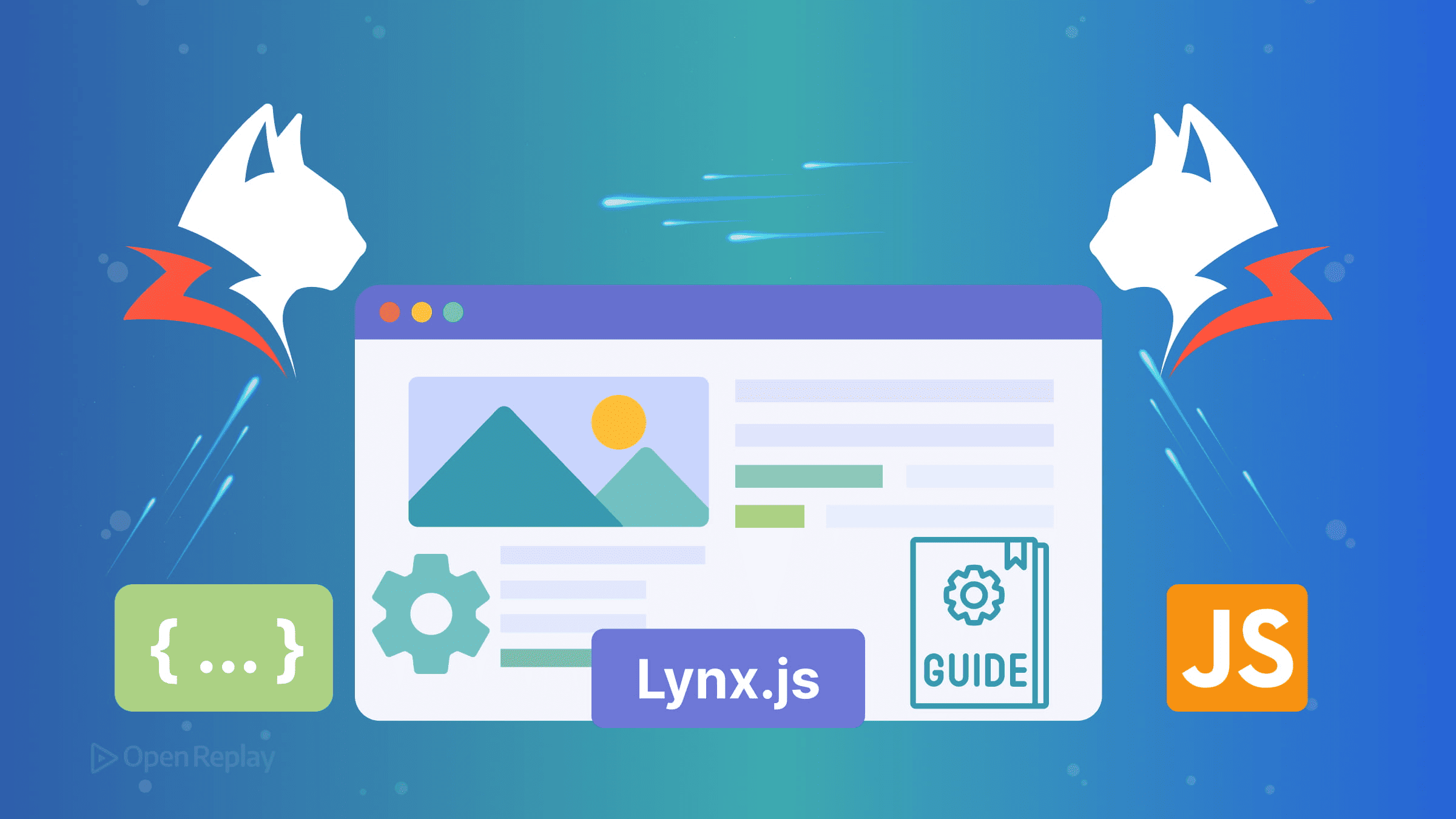
If you’ve been building web apps with React and wondered whether those skills could transfer to native mobile development — without learning Swift or Kotlin — Lynx.js is worth your attention. This guide explains what the Lynx.js framework is, how it works, and whether it makes sense for your next project.
Key Takeaways
- Lynx.js is a cross-platform UI framework by ByteDance, open-sourced in 2025, for building native iOS, Android, and web apps from a single JavaScript codebase.
- It uses a dual-thread architecture and a native rendering engine, with parts implemented in Rust, to keep UIs responsive under heavy JavaScript workloads.
- Developers write real CSS syntax and use familiar React patterns through ReactLynx, lowering the learning curve for frontend engineers.
- The ecosystem is early-stage, so Lynx is best suited for experimentation and side projects rather than production-critical apps — for now.
What Is the Lynx.js Framework?
Lynx.js is a cross-platform UI framework developed by ByteDance, the company behind TikTok, and open-sourced in 2025. It lets you build native applications for iOS, Android, and the web from a single JavaScript codebase.
The key distinction: Lynx is not a web framework like React or Vue. It’s closer in category to React Native or Flutter — tools designed to produce genuinely native UIs, not browser-based wrappers. ByteDance built it internally to power their own apps, then released it publicly as an alternative to existing cross-platform solutions.
How Lynx.js Works: Native Rendering and a Dual-Thread Model
Lynx renders UI using native components, not a WebView. When you write a <view> or <text> element in Lynx, it maps directly to native Android and iOS components at runtime — similar to how React Native operates, but with some architectural differences.
The most notable is its dual-thread architecture. Lynx separates UI rendering from application logic, running them on independent threads. This means your interface stays responsive even when JavaScript is doing heavy work in the background.
Lynx also ships with a native rendering engine, with parts implemented in Rust, which handles layout and painting at the native level. You don’t interact with it directly, but it’s what gives the framework a performance profile distinct from traditional hybrid approaches.
The Web-Inspired Developer Experience
Despite rendering natively, Lynx is designed to feel familiar to frontend developers. You write styles using real CSS syntax — including selectors, variables, and animations — without learning a proprietary styling API. This is a genuine advantage over React Native, which uses a limited CSS-like subset.
React support comes through ReactLynx, the official React integration for Lynx. If you already know React hooks and component patterns, ReactLynx lets you apply them directly. Here’s a minimal example from the official docs:
import { useCallback, useState } from "@lynx-js/react"

export function App() {
  const [alterLogo, setAlterLogo] = useState(false)

  const onTap = useCallback(() => {
    "background-only" // runs this handler on the background thread
    setAlterLogo(!alterLogo)
  }, [alterLogo])

  return (
    <page>
      <view className="App">
        <view bindtap={onTap}>
          <text>Tap me</text>
        </view>
      </view>
    </page>
  )
}
Note the "background-only" directive — it tells Lynx to execute that callback on the background thread rather than the main UI thread, which is part of how the dual-thread model is exposed to developers.
Lynx is also framework-agnostic by design. React is the primary supported option today, but the architecture is built to accommodate other UI libraries in the future.

Discover how at OpenReplay.com.
Lynx.js vs React Native: Key Differences at a Glance
| Feature | Lynx.js | React Native |
|---|---|---|
| Rendering | Native engine | Native |
| CSS support | Real CSS syntax | Limited subset |
| Threading model | Dual-thread | JS thread + native threads |
| Framework support | React (more planned) | React only |
| Ecosystem maturity | Early-stage | Mature |
Should You Learn Lynx.js?
Lynx is a genuinely interesting option if you’re a React developer who wants to build native mobile apps without abandoning web skills. The CSS support alone removes one of the bigger friction points in React Native development.
That said, Lynx is new and actively evolving. The ecosystem is small, community resources are limited, and some rough edges are expected. It’s not the right choice if you need production stability today — but it’s worth following closely, and early adoption has real upside as the framework matures.
The best next step is the official Lynx quick start, which gets a project running in under ten minutes using npm create rspeedy@latest.
FAQs
Lynx is framework-agnostic by design, but React is currently the only officially supported option through the ReactLynx integration. The architecture is built to support other UI libraries in the future, though no additional bindings have been released yet. For now, React is the practical choice if you want to build with Lynx.
Lynx is still early-stage. ByteDance uses it internally in production, but the public ecosystem is young, community resources are limited, and breaking changes are possible. It is best suited for experimentation, side projects, or prototyping. If your project demands a stable, well-documented framework with broad third-party support, React Native or Flutter remain safer bets today.
Lynx uses a native rendering engine with parts implemented in Rust and a dual-thread architecture that separates UI rendering from application logic. This can result in smoother interfaces under heavy JavaScript workloads compared to React Native's JS-thread-based model. Real-world performance depends on the specific app, but the architectural design gives Lynx a theoretical edge in responsiveness.
No. Lynx lets you build native iOS and Android apps entirely in JavaScript and CSS. You write components using React patterns through ReactLynx, and the framework handles native rendering under the hood. Knowledge of Swift or Kotlin is not required, though it can help if you need to write custom native modules.
Gain Debugging Superpowers
Unleash the power of session replay to reproduce bugs, track slowdowns and uncover frustrations in your app. Get complete visibility into your frontend with OpenReplay — the most advanced open-source session replay tool for developers. Check our GitHub repo and join the thousands of developers in our community.